

Let’s Talk About Nutrition and the First 1000 Days
There's a 1000-day window that shapes more of your child's lifelong health than almost any other period - and it starts before you're even pregnant.
The "First 1000 Days" refers to the ±270 days of pregnancy, plus the first two years of a child's life. More and more research is also pointing to the 90 days before conception (for both partners) as a critical part of this same window. It's one continuous stretch of rapid development, and nutrition during it has a measurable, lasting impact on how a child grows, learns, and thrives.
Why This Window Is Different From Any Other
During the first 1000 days, the body is doing incredible work: building a brain, an immune system, as well as metabolic set-points essentially from scratch. This is sometimes called a period of "developmental plasticity", and during this window, the body is unusually responsive to its environment.
One of the clearest illustrations of this comes from historical data. Researchers studying children born during a famine in the Netherlands in the 1940s found that, decades later, those children had significantly higher rates of obesity and diabetes than people born just before or after the famine. Same genetics, same country, different nutritional starting point - different lifelong health outcomes.
It's a great reminder that early nutrition doesn't just affect birth weight or early milestones; it can influence health trajectories for decades.

What This Looks Like in Practice - Stage by Stage
Preconception (the ~90 days before conception): This stage is often overlooked, but it matters for both partners. Egg maturation takes around three months, and sperm cells take roughly 74 days to fully mature. Both processes are sensitive to diet and lifestyle during that window. Starting a prenatal multivitamin, correcting any nutrient deficiencies (iron, B12, and vitamin D are common ones), and managing existing conditions like PMOS or insulin resistance before trying to conceive gives both the egg and sperm the best possible starting environment. This is also a good stage to look at broader lifestyle factors - things like alcohol intake, smoking, sleep, and physical activity all play a role alongside diet.
Pregnancy: Needs shift by trimester. Folate remains essential throughout, particularly in the first trimester for neural tube development. Choline (a nutrient that many prenatal vitamins under-supply) becomes increasingly important for brain development as pregnancy progresses. Iron requirements rise steadily, especially in the second and third trimesters, alongside growing calcium needs as your baby draws on mom’s stores to build their own bones. And it's worth normalising something many people feel guilty about: if nausea limits what you can eat early on, nutrient stores built beforehand can act as a buffer. You're not undoing months of good nutrition in a few rough weeks.
Infancy (birth to age two): Breast milk or formula meets most needs in the first six months, but the introduction of solid foods from around six months onward is a critical opportunity to shape a child's palate, iron stores, and even their future allergy risk. Introducing allergenic foods like peanut and egg earlier, rather than delaying them, has been shown to reduce the likelihood of developing food allergies later. This stage also sets early patterns around variety: babies exposed to a wide range of flavours and textures tend to become less selective eaters as toddlers.

It's Not Just About the Baby
A detail that often gets missed: nutrition during the first 1,000 days isn't only an investment in the child. Eating well during this period also helps manage the mother's own energy, mood, and physical symptoms: nausea, fatigue, and the general demands of growing and then caring for a newborn. This is a two-person (or two-plus, including the birthing parent and partner) equation, not a one-way obligation.
Frequently Asked Questions
Do I need to have everything perfect during this window?
No. The first 1000 days is about overall patterns and consistency, not individual meals or days. A missed nutrient target on a hard week doesn't undo the bigger picture, especially if groundwork was laid beforehand.
Does this apply if I'm not planning pregnancy for a while yet?
Yes, arguably it's the best time to start thinking about it. Since egg and sperm maturation both take around three months, nutrition changes and habit shifts made now still have time to matter before conception occurs.
Is a prenatal vitamin enough to cover this whole period?
Not on its own, and not automatically. Prenatal vitamins vary significantly in what they contain - some fall short on iron, others on choline or iodine. What's "enough" depends on your specific diet, health history, and stage, which is why a one-size-fits-all supplement rarely tells the whole story.
What if I'm vegan, vegetarian, or have dietary restrictions?
The first 1000 days framework still applies, but the specific nutrients to watch (often B12, iron, choline, and Omega-3s) shift based on your dietary pattern. This is exactly the kind of detail worth reviewing individually rather than following generic advice built for an omnivorous diet.
Final Thoughts
The first 1,000 days can feel like a lot to think about: three distinct stages, shifting needs, and the pressure of knowing it matters. But the bottom line is simple: this window rewards consistency over perfection, and small, well-timed changes compound. You don't need to overhaul everything on day one. You need to know where you actually stand (your diet, your bloodwork, your current supplement routine) and build from there.
If you'd like that clarity for yourself, I'd love to help. You can reach out to book a consultation and find out what your first 1,000 days could look like.
Warmest,
Sonia Malczyk | MSc., RD | www.stirhealth.com
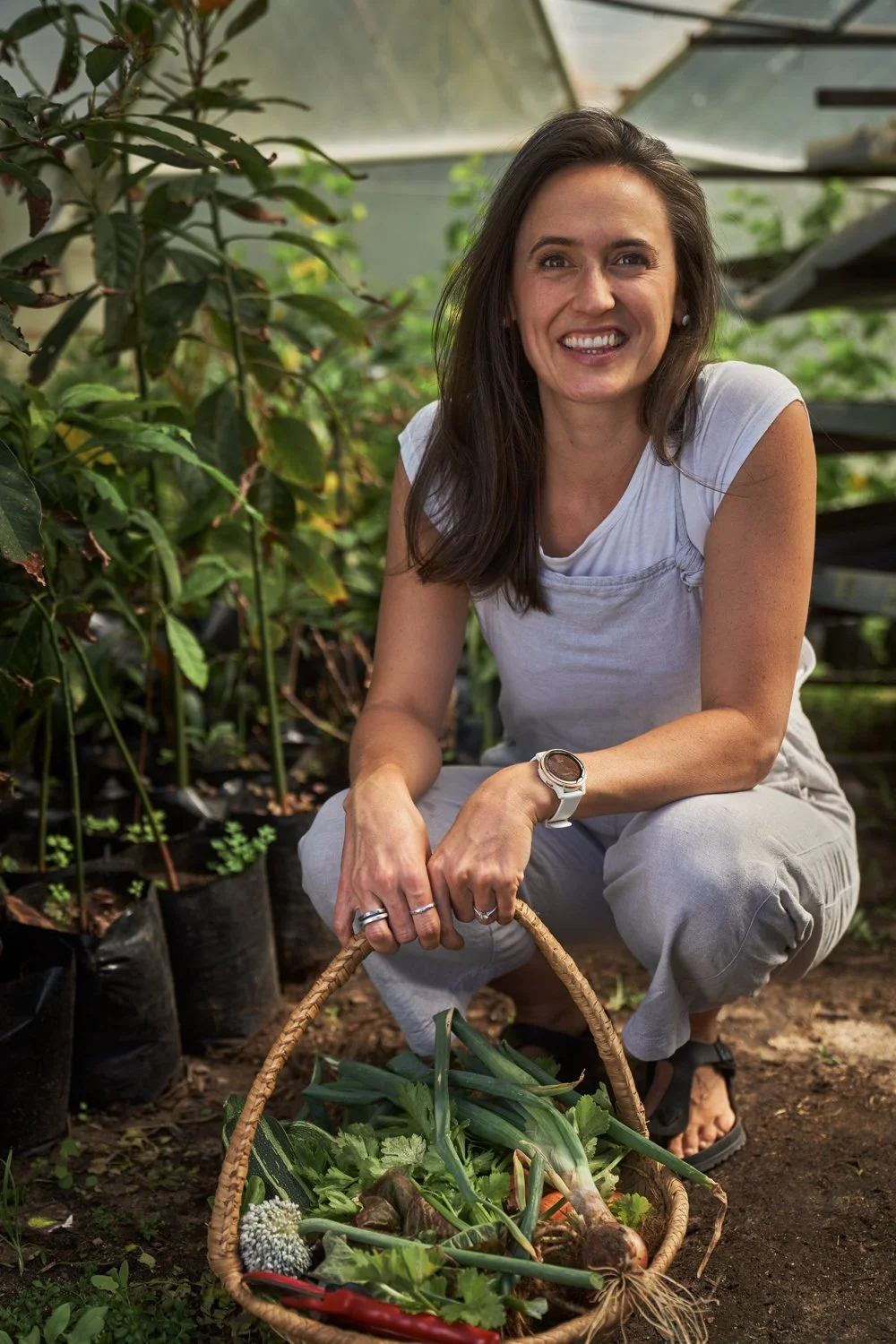
Our August blog post was written by Sonia Malczyk from Stir Health, a registered dietician with a wealth of knowledge on fertility, prenatal and early life nutrition.
We wish to thank her for her valuable contribution to The B Blog.
