

When Every Meal Feels Like a Negotiation
If you have ever found yourself sitting opposite a small child at the dinner table, watching them inspect a perfectly innocent piece of chicken as though you have served them something from another planet, you will know just how emotional picky eating can become. Parents often arrive in my rooms saying, “I just want them to eat normally,” and I completely understand that feeling. We spend so much of our parenting lives thinking about our children’s health, growth and development that when they start refusing food, it can feel deeply personal, and sometimes even frightening.
I understand this professionally, but I also understand it as a mother. I have three grown children, and my firstborn was a wonderfully sensitive, sensory and very picky little eater. There were foods he simply could not manage, not because he was being difficult or trying to control us, but because certain tastes, smells and textures genuinely overwhelmed him. Even as a paediatric dietitian, I had moments of wondering whether he was eating enough, whether I should be pushing harder and whether this was how he would eat forever.
He didn’t.
Today he is a far more confident and varied eater, and looking back, one of the biggest lessons I learnt was that children usually do not become better eaters because we persuade, bribe or pressure them into taking more bites. They become better eaters when food feels safe enough to explore. That sounds simple, but when you are the parent watching your child live on what feels like three crackers and half a yoghurt, it can be very difficult to trust the process.

One of the most helpful feeding frameworks I use with families comes from dietitian and feeding expert Ellyn Satter and her well-known Division of Responsibility. In simple terms, the parent is responsible for deciding what food is served, when it is served and where the family eats. The child is responsible for deciding whether they eat and how much they eat.
This can be quite a mindset shift because so much of traditional feeding advice has focused on getting children to finish what is on their plate. We grew up with phrases such as, “Just one more bite,” or, “You can have pudding once you’ve eaten your vegetables.” They sound harmless, and they are usually said with the best of intentions, but over time they can make a child feel that eating is something being done to them rather than something they are learning to manage for themselves.
I often tell parents that our role is to provide the opportunity to eat, not to force the outcome. So, for example, if the family is having chicken, roast vegetables and potatoes, and you know your child reliably eats bread, there is nothing wrong with putting bread on the table too. You are not “giving in” or rewarding fussiness. You are giving your child a safe starting point while still allowing them to see, smell and experience the rest of the family meal.
This is where the idea of exposure becomes incredibly important. Parents understandably tend to measure success by whether the child actually swallows the food, but eating is only the final step in a much bigger sensory process. A child may first tolerate a new food being on the table, then on their plate, then perhaps touch it, smell it, lick it or take a bite and spit it out. All of those stages are meaningful.
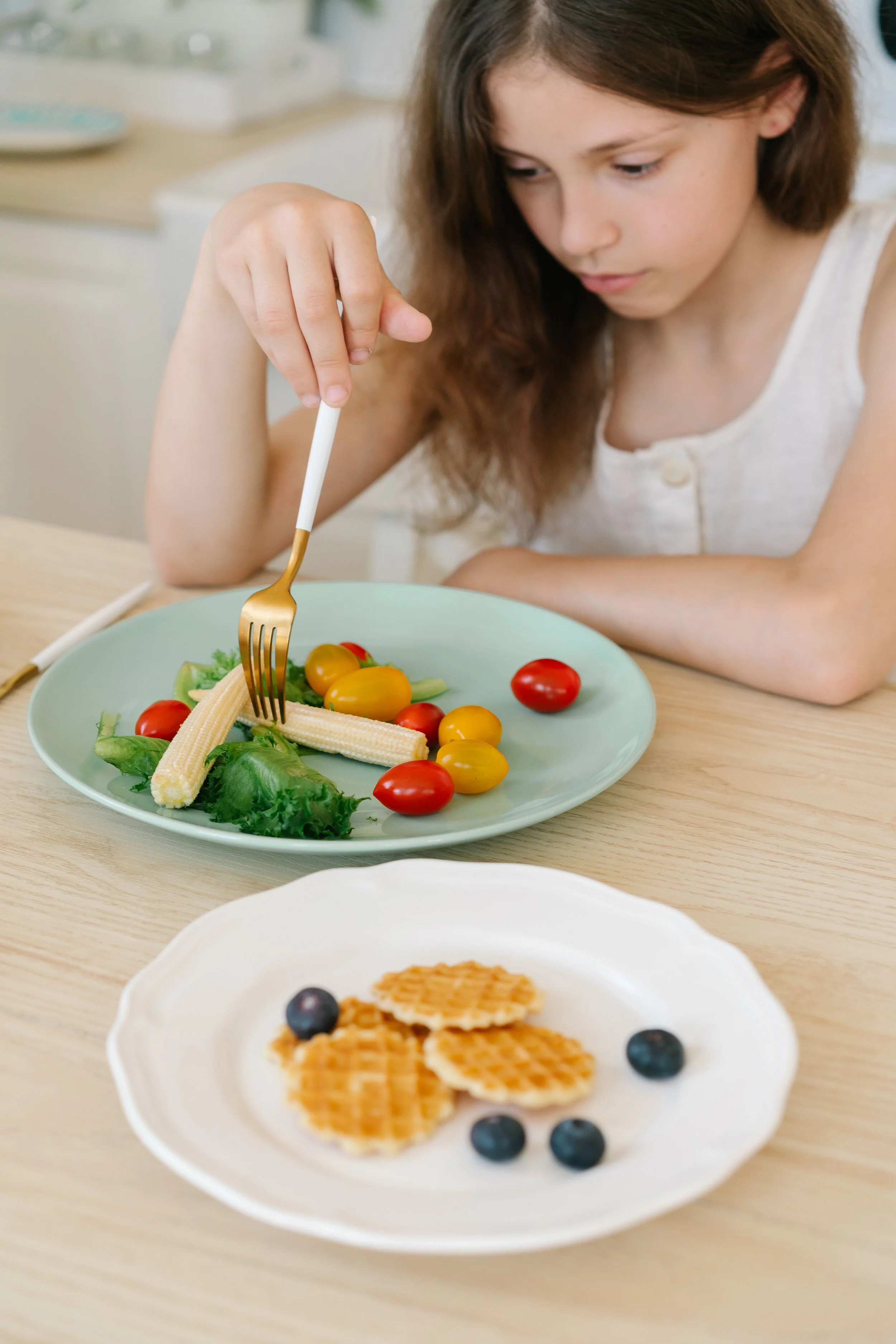
I have seen so many families become discouraged because a child has been offered broccoli ten times and still will not eat it. But perhaps on the first occasion the broccoli was not allowed anywhere near the plate, and by the tenth exposure it can sit next to the potato without causing distress. That is progress, even if it does not yet look like eating.
One of the most powerful things we can do is take the spotlight off the picky eater. When every meal becomes a running commentary of “Are you going to try that?”, “Why aren’t you eating?”, “You liked this yesterday,” the child quickly learns that food is an emotionally loaded subject. Instead, make the table about family life. Talk about the day, laugh, eat your own food and allow your child to observe you enjoying a varied diet without constantly asking them to join in. Ironically, children often become more curious when they feel less watched.
Practical support can also make an enormous difference because parents do not just need theory; they need ideas for what to do at breakfast tomorrow morning and how to build a meal around foods their child already accepts. A paediatric Dietetic consult can be useful in this space because it helps families approach selective eating in a structured, low-pressure way, using familiar foods as a foundation while gradually creating opportunities for greater variety.
I also want parents to know that not all picky eating is the same. Some children are simply going through a normal developmental phase, particularly in the toddler and preschool years, while others may be dealing with sensory sensitivities, anxiety, oral-motor challenges or a much more restricted eating pattern. If a child is losing foods rather than gaining them, has an extremely limited range, is struggling with growth, frequently gags or vomits with foods, seems afraid of eating or if every meal is becoming highly stressful for the whole family, it is worth asking for professional help. And perhaps the most important message I can leave parents with is this: your picky three-year-old is not necessarily your picky eighteen-year-old.
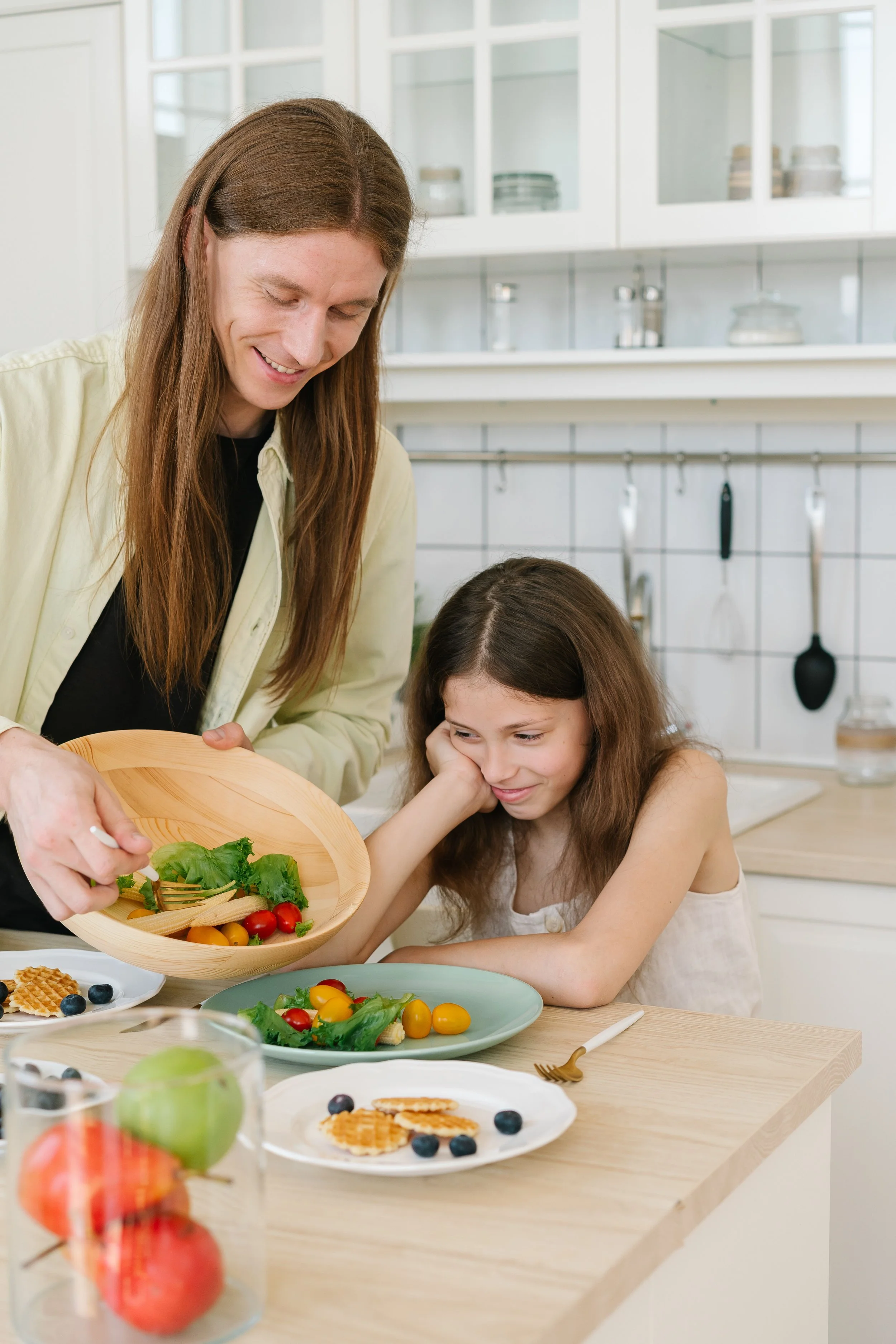
I have had the privilege of watching children grow up in my practice, and I have also watched it happen in my own home. Children change, their sensory systems mature, their confidence grows and their relationship with food evolves. Our job is not to rush that process, but to guide it. Keep serving family food. Keep including something familiar. Keep exposing without pressuring. Keep modelling. Keep meals connected and enjoyable wherever possible.
And if the broccoli spends another evening sitting completely untouched on the side of the plate, that is okay too. Sometimes simply allowing it to be there is part of the journey.
By Kath Megaw | Paediatric Dietitian | Nutripaeds | Author of Weaning Sense and Mindful Meals
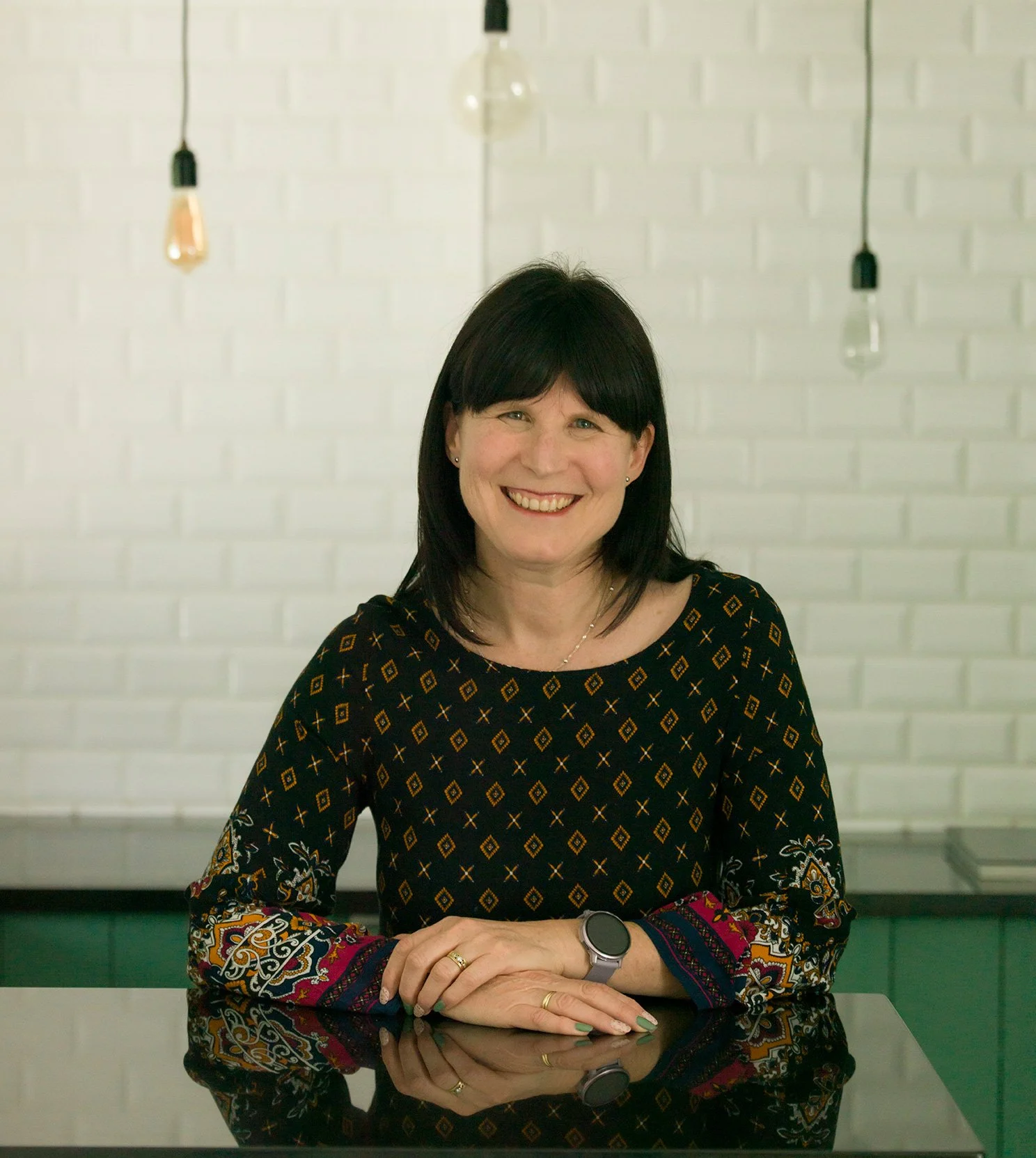
Our October blog post has been written by Kath Megaw, one of the most trusted voices in Paediatric Dietetics. She writes with tenderness, warmth, humour and both professional and personal insight into this very important topic.
We wish to thank her for her valuable contribution to The B Blog.
