

Lets Talk About Iron Deficiency
I lose count of how many patients tell me they've been "just tired" for months before anyone thought to check their iron. It's one of the most common things I come across in practice, and one of the easiest to miss, because tiredness so often gets written off as a busy life, bad sleep, or getting older.
Iron's job is simple but essential. It's the key ingredient in haemoglobin, the part of your red blood cells that carries oxygen from your lungs to every tissue in the body. It also supports energy production, immune function, and how clearly you think and concentrate. When it drops, the whole system starts running on empty.
Here in South Africa we see it often, especially in women, who lose iron through menstruation and have higher needs during pregnancy. But it can affect anyone - growing children and teenagers, vegetarians and vegans, endurance athletes, regular blood donors, and people with certain gut or gynaecological conditions.
The good news is that it's very treatable, and the first step is simply recognising it. In this blog post I'll cover the symptoms to look out for, who's most at risk, how it's diagnosed, and the treatment options available to you.

Iron Deficiency vs Iron Deficiency Anaemia
These two terms get used interchangeably, but they're not quite the same thing, and the difference matters. Think of your iron stores like a savings account, measured by your ferritin. Iron deficiency is when that account is running low. Iron deficiency anaemia is a step further along - it's what happens once the account has been drawn down so far that your body no longer has enough iron to make sufficient haemoglobin, and your red blood cells themselves start to change, becoming smaller and paler than they should be.
In between, there's a stage most people never hear about. You can be genuinely iron deficient, with stores that are clearly low, while your haemoglobin on a standard blood count still reads "normal". That's because the body prioritises keeping haemoglobin stable for as long as it possibly can, even while other tissues - muscle, brain, immune cells - are already running short. This is usually where the fatigue, brain fog and hair shedding start, well before anaemia ever shows up on your blood results.
That's part of why some people feel unwell despite being told their "bloods are fine". A standard full blood count only picks up the anaemia stage. Nobody checked the stores, only the balance on the day. If you're feeling the symptoms, it's worth asking specifically for a ferritin check, not just a full blood count.
Symptoms to Watch For
It tends to creep up gradually, so people adapt to feeling tired without ever asking why. What I hear most often are:
Fatigue that doesn't lift with rest
Getting breathless, or your heart racing, with normal activity
Pale skin, or pale inner eyelids and lips
Dizziness, light-headedness or headaches
Brain fog and poor concentration
Cold hands and feet
Hair shedding and brittle nails
Restless legs at night
Craving ice - an odd one, but a very telling one
Getting sick more often than usual
You don't need all of these for it to be worth checking. Even one or two symptoms that won't go away is reason enough.

Who is Most at Risk
Women in the reproductive years who menstruate, especially those with heavy periods
Pregnant and breastfeeding women
Babies, children and teenagers during growth spurts
Vegetarians and vegans
Endurance athletes
Regular blood donors
Anyone with a gut disorders (coeliac disease, IBD, or those on certain reflux medication) or conditions which result in ongoing blood loss
How We Diagnose It
It's a simple blood test. Alongside a full blood count, ask your doctor to check your ferritin - the marker that reflects your iron stores and sometimes other measures of how your body is handling iron. Finding the deficiency is sometimes only half the story, though.
It is also important to understand why your iron is low, so you are treating the cause and not just the number. Your doctor may suggest further tests to establish the cause.

Treatment
What's right for you depends on how low your iron stores are, how you're feeling, and what's causing it. There are three options, usually trialled in this order.
Diet
Dietary changes are helpful, but rarely enough on its own once a deficiency is established.
Iron from red meat, chicken and fish absorbs more easily than iron from plants
Pair plant sources such as legumes, leafy greens, fortified cereals with vitamin C to boost absorption
Keep tea, coffee and calcium away from iron-rich meals, as they block absorption
Oral Iron
Oral supplementation is the first-line treatment for most people. I think of it in terms of the 3 A's:
Amount - taking an effective dose
Adherence - taking it consistently (stores rebuild over months, not days)
Absorption - taken correctly, often better tolerated if taken on alternate days
Tummy upset, constipation or darker stools are common. Please don't just stop taking it – chat to your doctor about these symptoms - there's usually a way to make it more tolerable.
Intravenous (IV) Iron
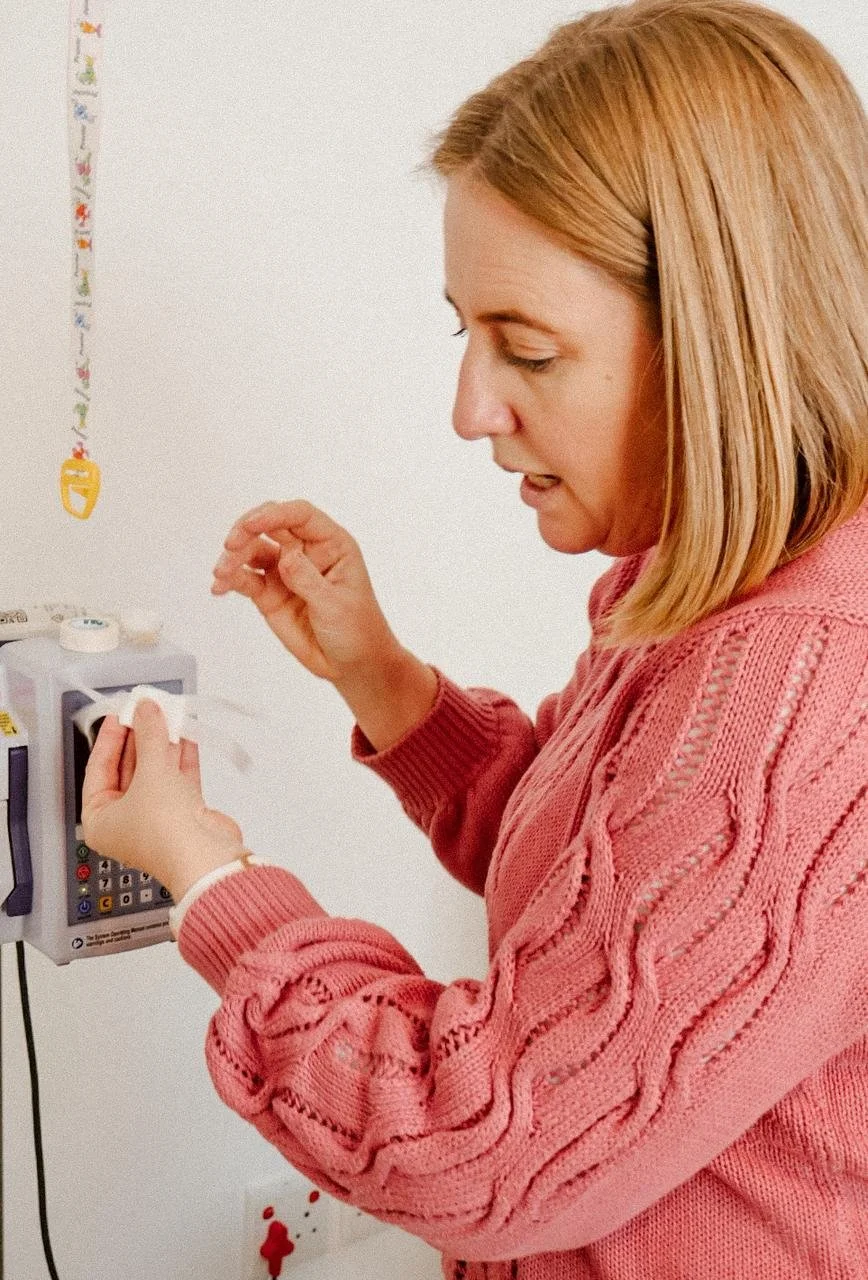
Intravenous iron (iron given in a drip) may be an option for people who can't tolerate tablets, aren't responding to them, have very low stores, ongoing blood loss, or need iron restored quickly. It's given in a clinical setting and tops up your stores directly. If this is the right route for you, your doctor will refer you to an infusion facility like The Infusion Room.

The Main Thing to Take From This
Persistent tiredness isn't something to just push through, especially if it comes with breathlessness or brain fog. A normal blood count doesn't rule out low iron either - ask about your ferritin, not just your haemoglobin. And treatment works, but it takes time and the right approach: amount, adherence and absorption all matter.
If any of this sounds familiar, please don't push through and hope it passes. A quick conversation and a simple blood test can make a real difference to how you feel day to day.
Our July Blog Post was written by Sr Pippa Hime from The Infusion Room. We wish to thank her for her valuable contribution to The B Blog.
