

Let’s Talk About Winter Illnesses (Part 1)
Hello Bowwood Family!
May has arrived with a vengeance: major storm warnings, gale-force winds, flooding, fallen trees, school closures, power outages - and even a National State of Emergency. With weather like this, most of us would much rather curl up in bed with a hot drink and wait for it all to pass.
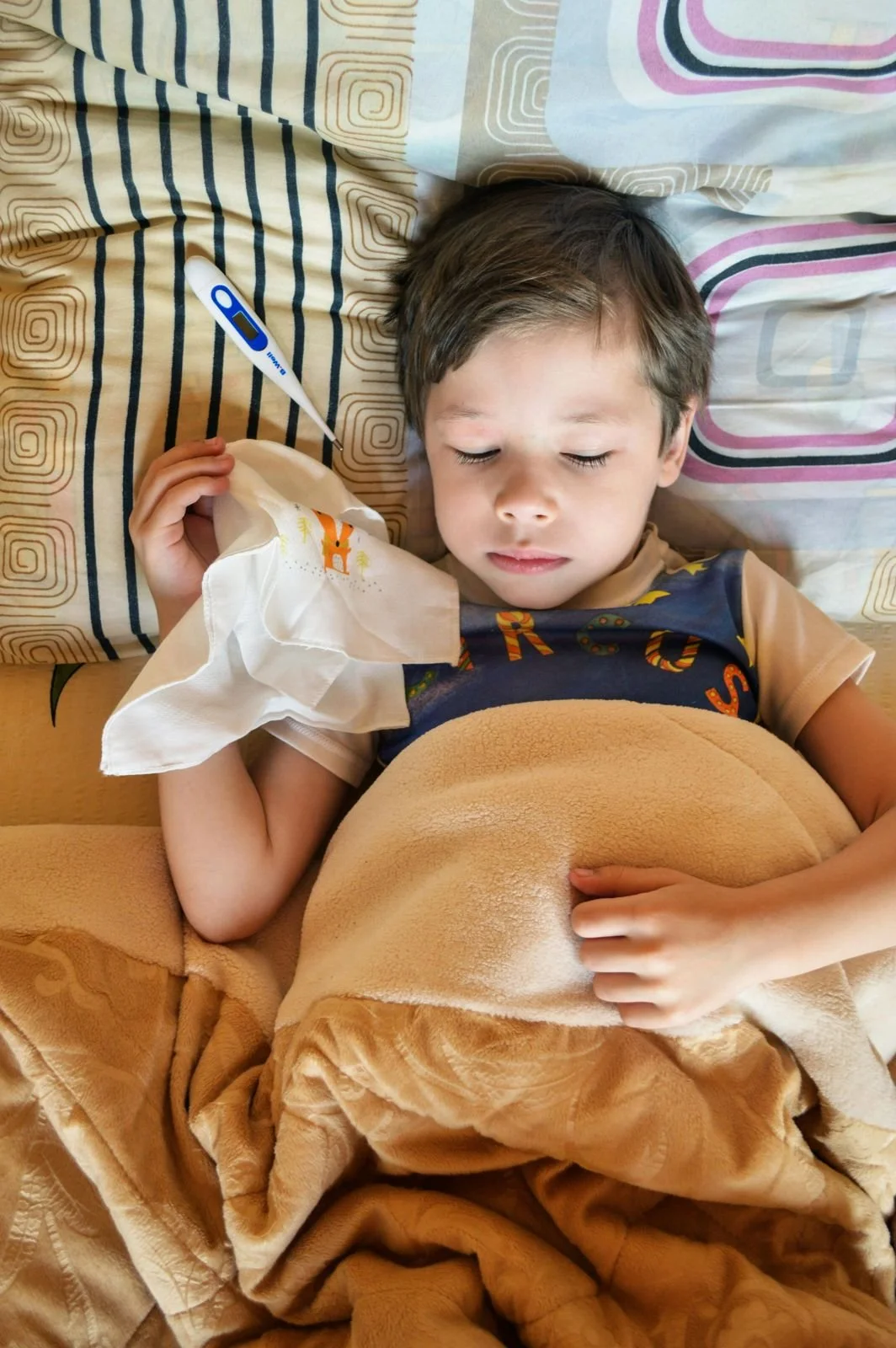
And along with winter comes the annual wave of bugs, beasties, sniffles and snuffles that have us reaching for our phones to book appointments at Bowwood Family Practice. Sometimes it feels like we are on a conveyor belt of infections - just as one family member improves, the next gets sick. We feel miserable and are desperate for fast relief. One of the most common questions we hear during this season is: “Do I need an antibiotic?”
As doctors, this is something we carefully consider during every consultation. We understand that it can feel frustrating to hear, “This is most likely a virus and you should rest and recover at home,” especially after taking the time and money to come in for an appointment. But there is a very good reason for this approach.
The reality is that the vast majority of winter illnesses are viral and self-limiting, meaning they improve on their own with time, rest and supportive care. Antibiotics can be incredibly important - and even lifesaving - when they are truly needed, but they are not helpful for viral infections like the common cold or flu, and can sometimes cause more harm than good.
We thought it would be helpful to explain what doctors look for when deciding whether antibiotics are likely to help, which symptoms can safely be managed at home, and when it is important to seek medical attention. Our hope is that this gives you more insight, reassurance and confidence as we head into the winter season.

Common Winter Illnesses
Common winter illnesses include rhinovirus (the common cold), influenza (flu), COVID-19, respiratory syncytial virus (RSV), adenovirus and stomach bugs such as norovirus. We also see more pneumonia, bronchitis, sinusitis, croup, and bacterial throat or ear infections. Most infections spread through respiratory droplets from person-to-person contact or from contaminated surfaces that we touch.
These infections tend to peak during colder weather because we spend more time indoors in close contact with one another, often in poorly ventilated spaces. Changes in temperature and humidity also allow viruses to spread more easily. Cold, dry air can irritate the airways, and winter may place additional stress on the body through reduced sunlight exposure, changes in sleep patterns, lower activity levels and seasonal shifts in our immune defences.
Certain chronic conditions such as asthma, COPD, eczema, allergic rhinitis and sinusitis may also worsen during winter and can overlap with viral symptoms. In many cases, with a strong and healthy immune system, the body can naturally clear the virus without causing any harm. However, certain types of high-risk HPV can persist and are associated with serious health-related conditions such as vulval, vaginal, and most commonly cervical cancer.
HPV is one of the most common sexually-transmitted infections worldwide - and South Africa is no exception. Studies suggest that the incidence of HPV in South Africa was three-times the global rate in 2020, and it was the leading cause of female cancer deaths in those aged 15-44 years. This is why we chose to demystify this common, and potentially devastating condition.
Viral vs Bacterial Infections & How To Tell the Difference
Understanding the difference between viral and bacterial infections can help you decide when home management is appropriate and when it may be time to see your doctor. It also gives insight into what your doctor looks for when deciding if an antibiotic will help you.
Viral infections commonly cause:
● Runny nose and congestion (of any colour)
● Body aches
● Fever
● Sore throat
● Dry cough
● Fatigue
● Headache and general malaise (feeling horrid)
Depending on the virus, they may also cause loss of appetite, vomiting, diarrhoea, or changes in smell or taste. Most sore throats, sinus infections and cases of acute cough or bronchitis are viral. Viral illnesses can make your whole body feel extremely unwell, still - antibiotics will not help.
Bacterial infections, on the other hand, present a bit differently. They may occur on their own or develop as a secondary infection after a viral illness weakens the body’s defences.
Doctors become more suspicious of a bacterial infection when:
● Symptoms are unusually severe
● Fever remains persistently high and doesn’t come down with usual management
● Symptoms last longer than expected (more than 7-10 days)
● Symptoms worsen after initially improving (“double worsening”)
● Symptoms are localised to one area of the body, such as isolated, one-sided ear pain, sinus pain, throat pain or chest symptoms with fever
Some people are also at higher risk of developing complications or bacterial infections and may require earlier assessment and treatment. These include:
● Babies and young children
● Elderly patients (>65 years of age)
● Pregnant women
● Immunocompromised patients
● Patients with chronic conditions such as asthma, COPD, diabetes or heart disease

Why Responsible Antibiotic Use Matters
When antibiotics were first developed, they were considered wonder drugs - and rightly so. They have saved millions of lives and transformed modern medicine. However, over time antibiotics have also been widely overused and overprescribed, often before we fully understood the long-term consequences of this approach.
Antibiotics only work against bacteria. They do not treat viral infections or speed up recovery from colds or flu. Many people believe antibiotics “worked” because they started feeling better while taking them, when in reality the viral illness was already naturally improving by itself with time, rest, fluids and supportive care.
Antibiotics are also not completely harmless. They can cause nausea and diarrhoea, fungal infections, like thrush and allergic reactions or rare but serious anaphylaxis
Antibiotics do not only kill harmful bacteria - they also disrupt the “good” bacteria that make up our gut microbiome, which plays an important role in digestion, immunity and overall health. This makes us susceptible to future gut problems and further infections.
Perhaps most importantly, unnecessary antibiotic use contributes to antibiotic resistance. Bacteria learn how to survive antibiotic treatment by being exposed to it, leading to the development of dangerous “superbugs” and making antibiotics less effective in the future.
This should not scare you away from antibiotics when they are truly needed. Antibiotics remain important, safe and often lifesaving medications. The goal is not to avoid antibiotics at all costs, but rather to use them appropriately - when they are likely to make a meaningful difference.
Red Flags - When to Seek Medical Attention Urgently
In all situations, our job as your doctors is to equip you to know and recognise the “red flags” of illnesses so that you know when to call time on home management and seek medical help urgently.
Seek urgent medical attention if someone with a winter illness develops:
● Difficulty breathing or shortness of breath
● Chest indrawing when breathing
● Coughing up blood
● Persistent high fever not responding to simple measures
● Severe weakness, confusion or difficulty waking up
● Signs of dehydration
● Vomiting or diarrhoea with inability to keep fluids down
● Chest pain
● Severe headache with fever
● A red rash that does not fade when pressed
You should also seek medical attention if:
● Symptoms are worsening rather than improving
● Symptoms persist beyond 7–10 days
● There are underlying high-risk conditions such as those mentioned above
Final Thoughts
Now that you know what to look for when it comes to deciding whether your winter illness is most likely viral or bacterial, you also have a better idea of when your doctor may reach for their prescription pad to write up an antibiotic.
When your doctor recommends supportive care rather than antibiotics, they are carefully assessing whether antibiotics are likely to help - and protecting you from unnecessary side effects and antibiotic resistance when they are not needed.
Sometimes the best treatment is time, rest and monitoring. Sometimes antibiotics are absolutely the right tool. Knowing the difference is what good medical care is all about.
This blog post serves as general health advice. For tailored medical advice, please book an appointment. We look forward to welcoming you.
Warmest,
Drs Robynne Glasser & Lauren Goliath